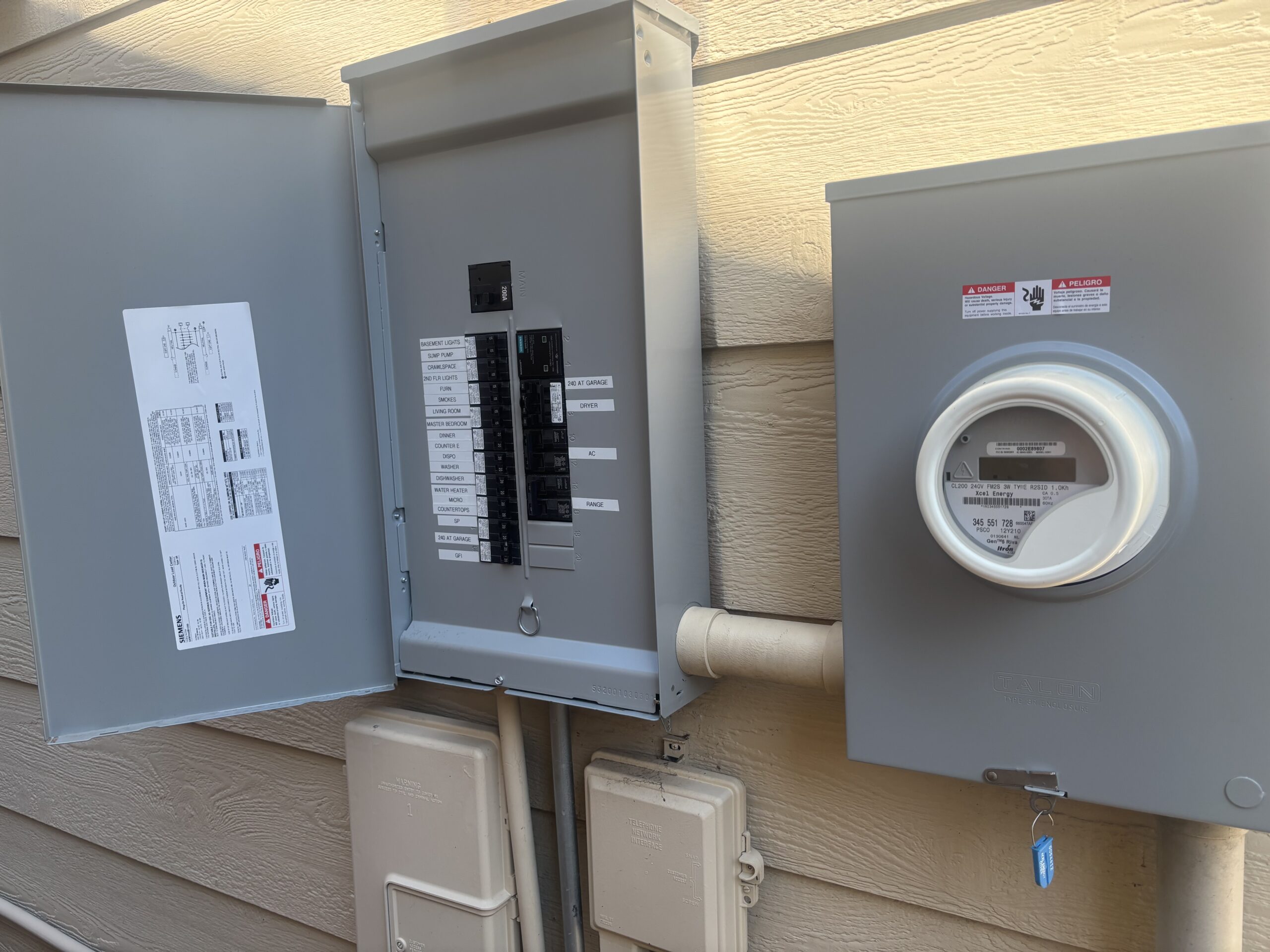

Why Are My Outlets Warm? Electrical Problem in Your Maryland Home
You plug in an appliance and notice something unusual—the electrical outlet feels warm to the touch.
Is that normal?
Sometimes an outlet or plug may feel slightly warm when certain electronic devices are operating. But an outlet that’s noticeably hot, discolored, buzzing or giving off a burning smell can indicate an electrical problem that shouldn’t be ignored.
Warm or overheating outlets can be caused by overloaded circuits, damaged receptacles, loose electrical connections or problems with the wiring behind the wall.
Here’s what Maryland homeowners should know.
Is It Normal for an Electrical Outlet to Feel Warm?
A wall outlet itself generally shouldn’t become noticeably hot during normal use.
Some devices, chargers and power adapters generate heat while operating, which can make the area around the plug feel somewhat warm. That’s different from the receptacle itself becoming hot.
If the outlet is unusually warm or hot—especially when nothing is plugged into it—there may be an electrical problem that requires professional attention.
What Causes an Electrical Outlet to Get Hot?
There are several possible causes.
1. A Loose Electrical Connection
Electrical connections can loosen over time.
A loose connection creates increased electrical resistance, which can generate heat. Because the problem may be located behind the outlet where you can’t see it, the warmth at the face of the receptacle may be the first warning sign.
Loose connections can also cause flickering, intermittent power or crackling sounds.
2. An Overloaded Circuit
Too many devices operating on the same circuit can create excessive electrical demand.
This is particularly common when high-wattage appliances are connected through power strips or extension cords.
Examples include:
- Space heaters
- Portable air conditioners
- Hair dryers
- Toasters
- Microwaves
- Window AC units
High-demand appliances should only be used on circuits capable of safely supplying their electrical load.
3. A Worn or Damaged Outlet
Electrical receptacles don’t last forever.
Over years of plugging and unplugging devices, the internal contacts can wear out. If plugs no longer fit snugly or easily fall out of the receptacle, the outlet may need replacement.
Poor contact between the plug and receptacle can generate heat and potentially cause arcing.
4. Damaged or Aging Wiring
The problem may not actually be the outlet.
Older, damaged or improperly installed wiring behind the receptacle can create resistance and excessive heat.
This is one reason replacing an outlet without determining what caused it to overheat isn’t always enough.
5. High Electrical Demand During Summer
Maryland summers can put significant additional demand on residential electrical systems.
Air conditioners, window units, dehumidifiers, fans, pool equipment and other appliances may operate simultaneously.
Older homes and circuits that have been modified over the years can sometimes struggle with today’s electrical demands.
A hot outlet may be one indication that something within the electrical system needs attention.
Warning Signs You Shouldn’t Ignore
Heat becomes more concerning when it’s accompanied by other symptoms.
Contact an electrician if you notice:
- An outlet that’s hot to the touch
- Brown or black discoloration
- Melted or warped plastic
- A burning or unusual electrical smell
- Buzzing or crackling
- Sparks when plugging in a device
- A breaker that repeatedly trips
- Plugs that fit loosely
- Intermittent power
- Heat coming from an outlet with nothing plugged into it
These symptoms can indicate damaged electrical components or connections that should be inspected.
What Should I Do If an Outlet Is Hot?
Stop using the affected outlet.
Unplug devices if doing so can be done safely, and don’t continue using the receptacle simply because it still provides power.
If you see smoke, active sparking or other indications of an immediate electrical emergency, move away from the affected area and contact emergency services when appropriate.
For a warm or overheating outlet without an active emergency, have a qualified electrician inspect it before putting it back into regular use.
Don’t Just Replace the Outlet Without Finding the Cause
It’s tempting to assume a hot receptacle simply needs a new outlet.
Sometimes that’s true. But the damaged outlet may be the result of another electrical problem rather than the underlying cause.
An electrician can inspect the receptacle, connections, wiring, breaker and electrical load to determine why the overheating occurred.
Fixing the cause is more important than simply replacing the component showing the symptom.
Older Maryland Homes Deserve Extra Attention
Many homes throughout the Baltimore area were constructed long before today’s electrical demands existed.
Modern households may have multiple televisions, computers, gaming systems, kitchen appliances, air conditioners, chargers and other devices operating simultaneously.
Electrical systems can also accumulate modifications over decades of renovations and repairs.
If you’re noticing warm outlets, frequent breaker trips, flickering lights or other electrical problems, an electrical inspection can help identify outdated or damaged components.
Have a Hot or Warm Outlet? Call C&R Electric, Inc.
An electrical outlet shouldn’t be giving you warning signs.
If you’ve noticed a warm or hot outlet, discoloration, buzzing, burning smells, loose plugs or other unusual electrical behavior, C&R Electric, Inc. can inspect the problem and determine what’s causing it.
Our experienced electricians provide residential electrical troubleshooting and repair throughout our Maryland service area.
Contact C&R Electric, Inc. today to schedule electrical service and get the problem properly diagnosed.
Frequently Asked Questions
Should an electrical outlet ever feel hot?
An outlet generally shouldn’t become noticeably hot during normal operation. Some plugs and power adapters generate warmth, but significant heat coming from the receptacle itself should be investigated.
Can a hot outlet cause an electrical fire?
Overheating caused by loose connections, damaged components or excessive electrical resistance can create a fire hazard. A hot, discolored or burning-smelling outlet should not be ignored.
Why is my outlet hot when nothing is plugged into it?
Heat from an unused outlet may indicate a problem with wiring or connections, or the receptacle may be part of a circuit carrying electricity to other outlets or devices. Have it professionally inspected.
Should I replace a warm outlet myself?
Simply replacing the receptacle may not identify the underlying cause. If an outlet has been overheating, an electrician can inspect the wiring, connections and circuit to determine why.
Share this article
Follow us
Latest articles
October 15, 2026
October 15, 2026