Why Does My Breaker Trip When I Use a Space Heater?
The first cool mornings of fall arrive in Maryland, you pull the portable space heater out of storage, plug it in—and a few minutes later the room goes dark. If your circuit breaker keeps tripping when you use a space heater, there’s a pretty straightforward reason: space heaters use a lot of electricity, and the circuit may already be carrying more electrical load than it can safely handle.
A tripped breaker can be annoying, but the breaker is doing exactly what it was designed to do. It’s cutting power when the electrical load or another problem creates an unsafe condition. If your breaker repeatedly trips while you’re using a space heater, don’t keep resetting it without figuring out why.
Why Do Space Heaters Trip Circuit Breakers?
Most common portable electric space heaters can draw a substantial amount of power when operating on their highest setting. If the heater shares a circuit with lights, a television, computer, vacuum, hair dryer or other electrical devices, the combined demand can exceed what that circuit is designed to handle.
When that happens, the circuit breaker trips and shuts off the power.
This can be particularly noticeable in older Baltimore-area homes where bedrooms, living rooms or other areas may have fewer circuits than you’d expect in a newer house. Our homes contain far more electrical devices than they did decades ago, but the wiring behind the walls may still reflect the electrical needs of another era.
Why Does My Space Heater Work in One Room but Trip the Breaker in Another?
This is an important clue.
Different rooms—or even different outlets within a home—may be connected to different circuits. One circuit may have relatively little else running on it, while another may already be powering several lights, outlets and electronics.
Plugging the heater into the heavily loaded circuit could cause the breaker to trip, while using it on another circuit might not.
That doesn’t mean you should simply keep moving the heater around until you find an outlet that doesn’t trip. If you’re regularly relying on a space heater and having electrical problems, it’s worth understanding what the existing circuits are powering and whether your home’s electrical system is adequate for your needs.
Don’t Plug a Space Heater Into a Power Strip
A space heater should generally be plugged directly into a wall outlet, following the heater manufacturer’s instructions.
Power strips and extension cords can create problems when used with high-wattage heating equipment. A cord or power strip that isn’t designed for the electrical load can overheat, potentially damaging the cord, plug or receptacle and increasing the risk of fire.
You should also pay attention to the wall outlet itself. If the plug feels loose in the receptacle, the outlet is discolored, you smell something burning, or the outlet or plug becomes unusually hot, stop using the heater and have the problem inspected.
What If Nothing Else Is Plugged In?
If the breaker trips even when the space heater appears to be the only major appliance operating on the circuit, there may be another issue.
The heater itself could have a problem. There could also be a loose connection, damaged receptacle, deteriorating wiring, weak breaker or another electrical fault that requires troubleshooting.
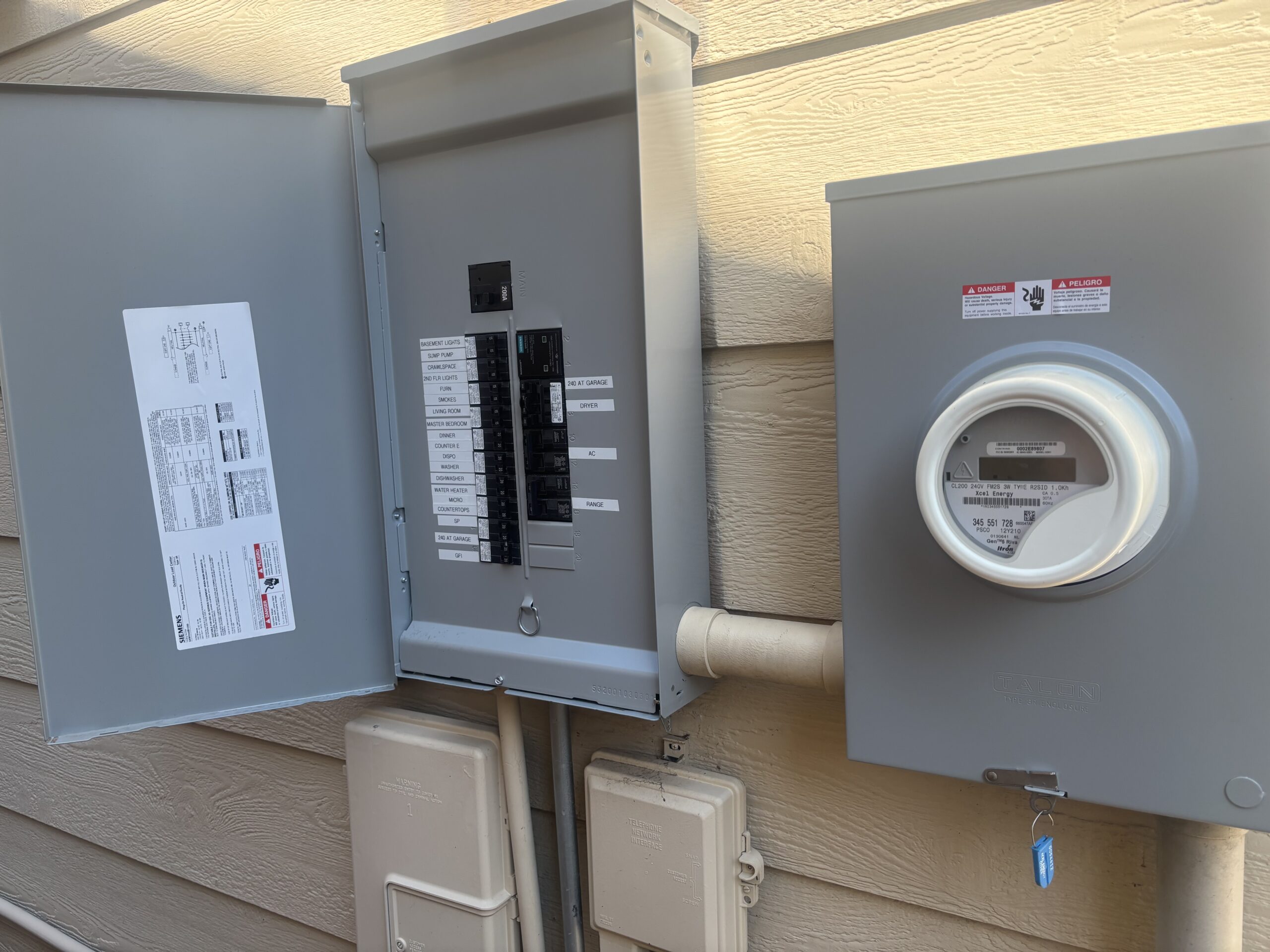
Remember that the outlets you can see aren’t necessarily the only things connected to that circuit. Outlets and lights in another room may be on the same circuit even if that isn’t obvious.
An electrician can determine what is actually connected to the circuit and why the breaker is opening.
Should I Just Install a Bigger Circuit Breaker?
No. Don’t solve a repeatedly tripping breaker by simply replacing it with a higher-amperage breaker.
Circuit breakers are sized to protect the wiring connected to them. Installing a larger breaker without ensuring the wiring and entire circuit are designed for that amperage can allow the wiring to carry more current than it safely should.
If a circuit doesn’t provide enough capacity for your needs, an electrician can determine whether an additional or dedicated circuit is appropriate.
The breaker isn’t the enemy here. It’s often the thing telling you there’s a problem.
Why This Problem Shows Up in the Fall
Space-heater-related electrical problems tend to become noticeable as temperatures drop around Baltimore and Curtis Bay. A circuit that seemed perfectly fine throughout the summer suddenly has a high-demand heating appliance plugged into it for hours at a time.
Fall also brings increased indoor electrical use in general. The days get shorter, lights stay on longer, people spend more time indoors, and eventually holiday decorations and other seasonal equipment enter the mix.
That’s why a breaker that repeatedly trips in September or October is worth addressing rather than simply resetting it all winter.
When Is a Tripping Breaker a Warning Sign?
An occasional breaker trip caused by accidentally putting too many high-demand devices on the same circuit is different from a breaker that repeatedly trips under normal use.
Have the problem investigated if the breaker trips frequently, won’t reset, trips immediately after being reset, or trips even when relatively little is plugged in. You should also stop using the affected equipment and seek professional help if you notice burning odors, buzzing or crackling sounds, scorch marks, discolored outlets, loose receptacles or unusual heat around an outlet or electrical panel.
Those symptoms can indicate a problem beyond a simple overloaded circuit.
Could an Older Electrical System Be the Problem?
It can be part of the equation.
Many older Maryland homes were built long before today’s collection of computers, large televisions, chargers, kitchen appliances and portable electronics became commonplace. Add a high-demand space heater to an already busy circuit and you may start discovering the limitations of the home’s existing electrical system.
That doesn’t automatically mean you need a new electrical panel or that your entire house needs to be rewired. An electrician should first determine why the breaker is tripping and what the existing circuit is serving.
Sometimes the answer is relatively straightforward. Other times, repeated breaker trips reveal an electrical system that would benefit from an upgrade.
Circuit Breaker and Electrical Troubleshooting in the Baltimore Area
If your circuit breaker keeps tripping whenever you use a space heater, don’t make resetting the breaker part of your morning routine.
C&R Electric can troubleshoot overloaded circuits, electrical panels, outlets and other electrical problems for homeowners in Curtis Bay and throughout the Baltimore area. We can determine why the breaker is tripping and recommend the appropriate solution for your home’s electrical system.
If the first cold morning of the season also brings the first tripped breaker of the season, contact C&R Electric to have the problem checked.
Frequently Asked Questions
Why does my breaker trip as soon as I turn on my space heater?
The circuit may already be carrying a significant electrical load, and turning on the space heater pushes it beyond its capacity. An immediate trip can also indicate a problem with the heater, outlet, wiring or circuit that should be investigated.
Can I run a space heater on a 15-amp circuit?
Many portable space heaters can place a substantial load on a 15-amp household circuit, particularly on their highest setting. What else is connected to the circuit matters as well. Follow the heater manufacturer’s instructions and don’t repeatedly reset a breaker that continues to trip.
Can I plug a space heater into an extension cord?
Space heaters should generally be plugged directly into a wall receptacle in accordance with the manufacturer’s instructions. Extension cords and power strips can overheat when they’re not designed to safely handle the heater’s electrical demand.
Why does my space heater make the outlet hot?
A plug or outlet that becomes unusually hot can indicate a poor electrical connection, damaged receptacle or another problem. Stop using the heater and have the outlet inspected rather than continuing to operate it.
Does a tripping breaker mean I need a new electrical panel?
Not necessarily. A tripping breaker can have several causes, including an overloaded circuit, faulty appliance, wiring problem or breaker issue. An electrician can troubleshoot the circuit before determining whether a panel or other electrical upgrade is necessary.
Is it safe to keep resetting a breaker that trips?
A breaker that repeatedly trips is telling you something is wrong. Continually resetting it without addressing the cause isn’t a solution. If the breaker keeps tripping during normal use, have the circuit inspected.
Share this article
Follow us
Latest articles
October 21, 2026
October 21, 2026