Should I Replace Two-Prong Outlets?
If you live in an older home around Baltimore, you may still have a few electrical outlets with only two slots instead of the familiar three-slot receptacles found in newer homes. They may have worked for decades, so it’s reasonable to wonder: Do two-prong outlets actually need to be replaced?
Two-prong outlets generally indicate that the receptacle does not provide the equipment grounding connection used by modern three-prong outlets. Simply swapping a two-prong receptacle for a three-prong model doesn’t automatically add that protection. Before upgrading, it’s important to understand what’s behind the outlet and how the home’s electrical system is wired.
Why Do Older Maryland Homes Have Two-Prong Outlets?
Many older homes were built before grounded three-prong receptacles became the standard homeowners expect today. That’s particularly relevant around Baltimore, where there are neighborhoods filled with homes that predate many modern electrical standards and today’s assortment of electronics and appliances.
The two slots in an older receptacle provide the electrical path needed to power a device, but there typically isn’t a third equipment-grounding connection.
Modern three-prong outlets add that grounding connection. The round third opening isn’t simply there to accommodate newer plugs; it’s an important part of the electrical safety system when properly connected.
Are Two-Prong Outlets Unsafe?
The presence of a two-prong outlet doesn’t automatically mean you’re facing an immediate emergency, but an ungrounded electrical system doesn’t provide the same protection expected from modern grounded wiring.
The bigger concern often comes when homeowners try to work around the problem. Breaking the grounding prong off a plug, using questionable adapters or replacing a two-prong receptacle with a three-prong outlet without addressing the grounding situation can create a false impression that the outlet has been properly upgraded.
If you still have numerous two-prong outlets, it’s worth having an electrician evaluate the wiring rather than assuming that changing the visible receptacle solves the underlying issue.
Can I Just Replace a Two-Prong Outlet With a Three-Prong Outlet?
This is where things get more complicated.
Installing a three-prong receptacle doesn’t magically create an equipment ground. The correct upgrade depends on the wiring that’s actually present and how the circuit is configured.
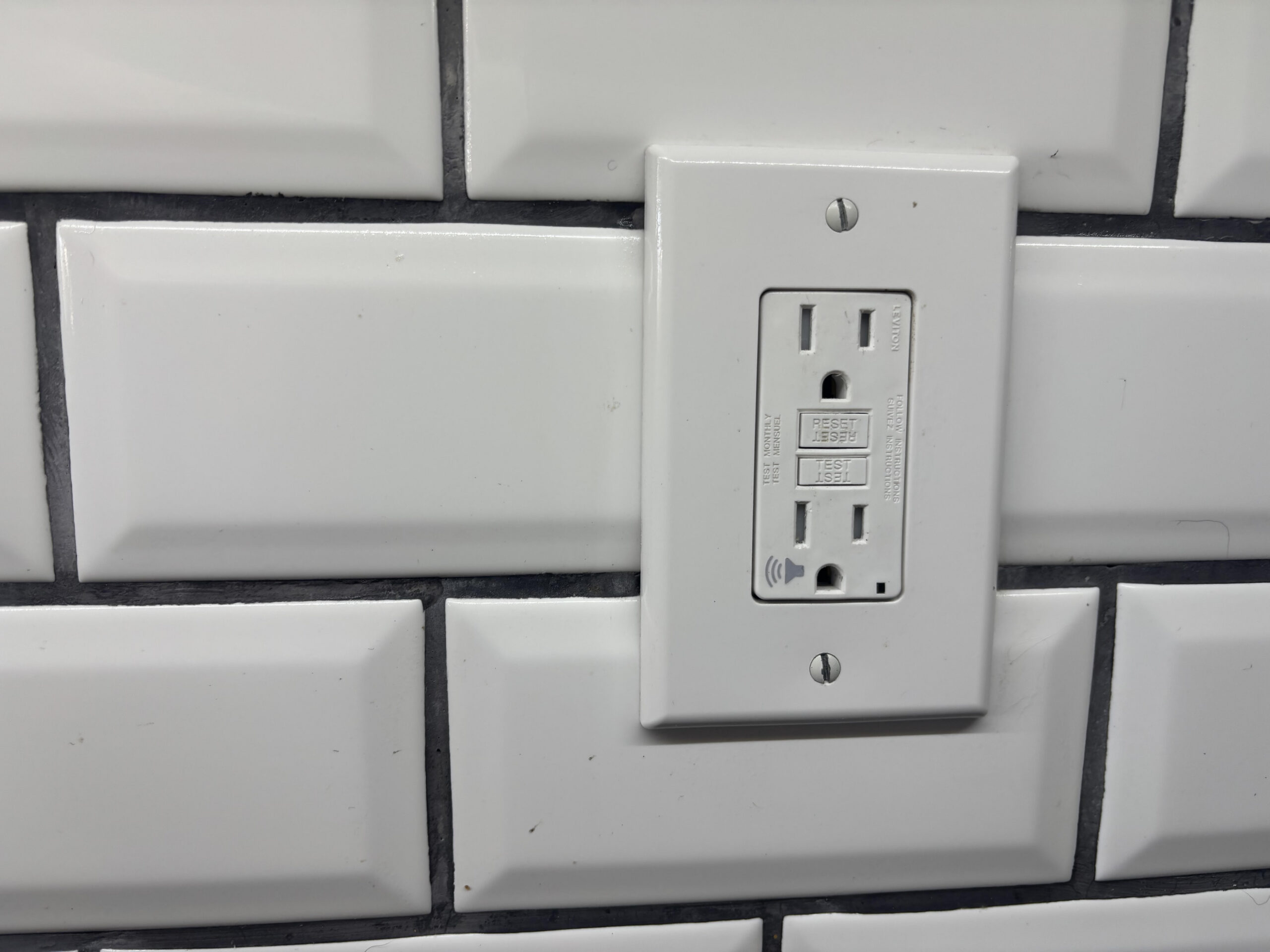
In some situations, an electrician may discover that a grounding path is available and can properly install a grounded receptacle. In others, additional wiring may be necessary. There are also circumstances in which GFCI protection can be used as part of a compliant solution for an ungrounded receptacle, with the appropriate labeling and installation requirements.
The important point is that the solution should be based on the electrical system behind the wall—not simply the number of openings on the new outlet.
Why Grounding Matters More in Today’s Homes
Think about how many electronic devices are now used in the average home: televisions, desktop computers, gaming systems, home-office equipment, smart appliances, chargers and countless other devices.
Many of these products are designed to be used with grounded electrical systems. Some also contain sensitive electronics that homeowners would rather not expose to electrical faults or other problems.
That’s one reason older wiring deserves more attention today than it might have received decades ago. The house may be the same, but what we’re asking its electrical system to power has changed dramatically.
What About Those Little Three-Prong Adapters?
Three-prong-to-two-prong adapters are not a substitute for properly evaluating an ungrounded outlet.
They can give homeowners the ability to physically plug a three-prong device into a two-slot receptacle, but that doesn’t necessarily mean the device now has a functioning equipment ground.
If adapters have become a permanent fixture around your house, that’s a pretty good sign it’s time to talk with an electrician about better long-term options.
Do I Need to Rewire My Entire House?
Not necessarily.
Finding two-prong outlets doesn’t automatically mean your entire home needs to be rewired. The appropriate solution depends on the age and condition of the wiring, how the circuits were installed, whether grounding is available, and what you’re trying to power.
An electrician can inspect the existing system and explain which outlets or circuits should be prioritized. In some older homes, targeted upgrades may be appropriate. Other electrical systems may benefit from more extensive modernization.
The inspection should drive the recommendation—not simply the age of the house.
Fall Is a Good Time to Look at Older Electrical Systems
As Maryland moves into fall, homeowners naturally begin spending more time indoors. More lights are on, computers and entertainment systems get additional use, and eventually portable heaters and holiday decorations begin adding to the electrical load.
If you’ve been relying on old two-prong outlets, adapters or power strips because your home doesn’t have enough modern receptacles, September is a good time to have the situation evaluated before winter.
It’s also an opportunity to address other concerns you may have noticed around the house, such as loose outlets, discolored receptacles, frequently tripped breakers or outlets that no longer hold plugs securely.
Electrical Outlet Upgrades in the Baltimore Area
Older homes are part of what gives the Baltimore area its character, but their electrical systems weren’t designed around everything we plug in today.
C&R Electric can inspect older outlets and wiring, determine whether grounding is present and explain your options for safely updating your home’s electrical system. We serve homeowners in Curtis Bay and throughout the surrounding Baltimore area.
Still have two-prong outlets around your home? Contact C&R Electric to have your outlets and electrical system evaluated by a professional electrician.
Frequently Asked Questions
Does a two-prong outlet mean it isn’t grounded?
Two-prong receptacles generally do not provide the equipment-grounding connection found on modern three-prong receptacles. An electrician can inspect the wiring to determine exactly how the circuit is configured.
Can I install a three-prong outlet where I currently have a two-prong outlet?
There are methods for upgrading older receptacles, but simply installing a three-prong outlet doesn’t create a ground. The appropriate solution depends on the existing wiring and circuit.
Can a GFCI replace an ungrounded two-prong outlet?
GFCI protection may be used in certain situations involving older ungrounded circuits when installed and labeled correctly. An electrician can determine whether that approach is appropriate for the specific outlet and circuit.
Does having two-prong outlets mean my house needs to be rewired?
No. Two-prong outlets alone don’t establish that an entire house needs rewiring. The condition and configuration of the home’s electrical system need to be evaluated before determining the scope of any upgrade.
Should I have old outlets inspected before winter?
Fall can be a convenient time to inspect older outlets, especially before increased indoor electrical use, portable heating equipment and holiday decorations add additional demand to the home’s electrical system.
Share this article
Follow us
Latest articles
October 21, 2026
October 21, 2026